
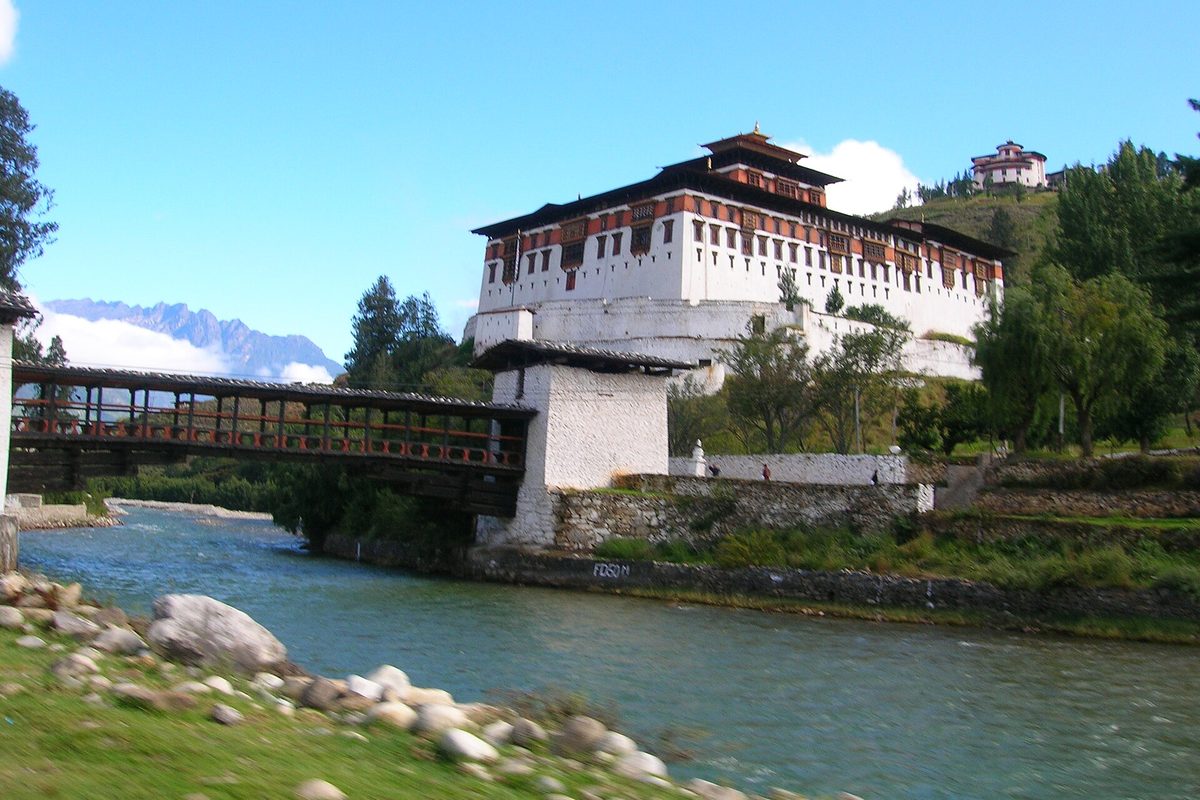
Paro
The airport valley and the Tiger's Nest trailhead. Rinpung Dzong, the National Museum, and Chele La — the country's highest motorable pass — an hour away. Two nights.
The world's only carbon-negative country — monasteries on cliff faces, empty mountain roads and no visa queue for Indian travellers.
Bhutan is the shortest international flight most Indian travellers will ever take into somewhere genuinely different. Two and a half hours from Delhi, and you are in a kingdom that has never been colonised, measures its progress in Gross National Happiness, and keeps more than seventy percent of itself under forest by constitutional requirement.
The classic route is Paro, Thimphu and Punakha — six days, three valleys, one very good climb. The climb is Paro Taktsang, the Tiger's Nest, glued to a cliff 900 metres above the valley floor; it takes four to five hours return and it is what everyone comes for.
The airport valley and the Tiger's Nest trailhead. Rinpung Dzong, the National Museum, and Chele La — the country's highest motorable pass — an hour away. Two nights.
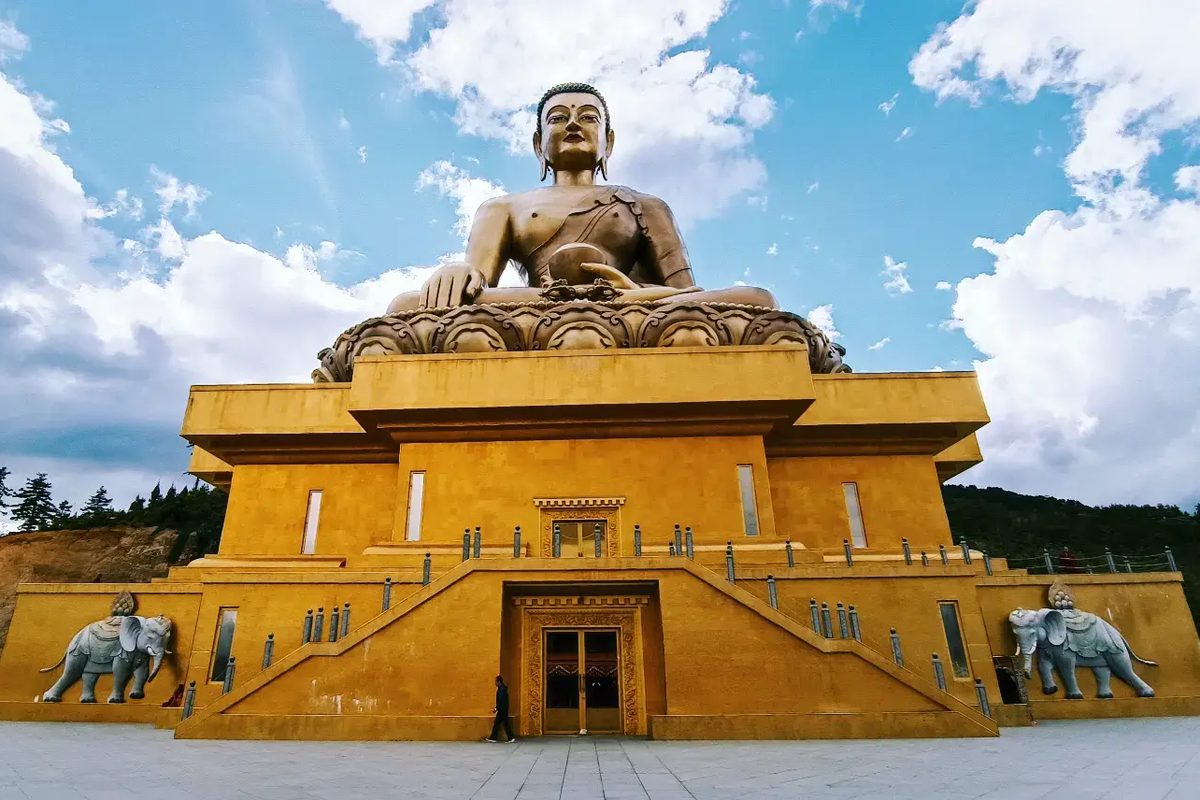
The only capital in the world without traffic lights. Buddha Dordenma's 51-metre gilded statue, the weekend market, Tashichho Dzong and the takin preserve. Two nights.

Over Dochula Pass and its 108 chortens, down into a warmer valley for Punakha Dzong at the river confluence and the suspension bridge. One or two nights.
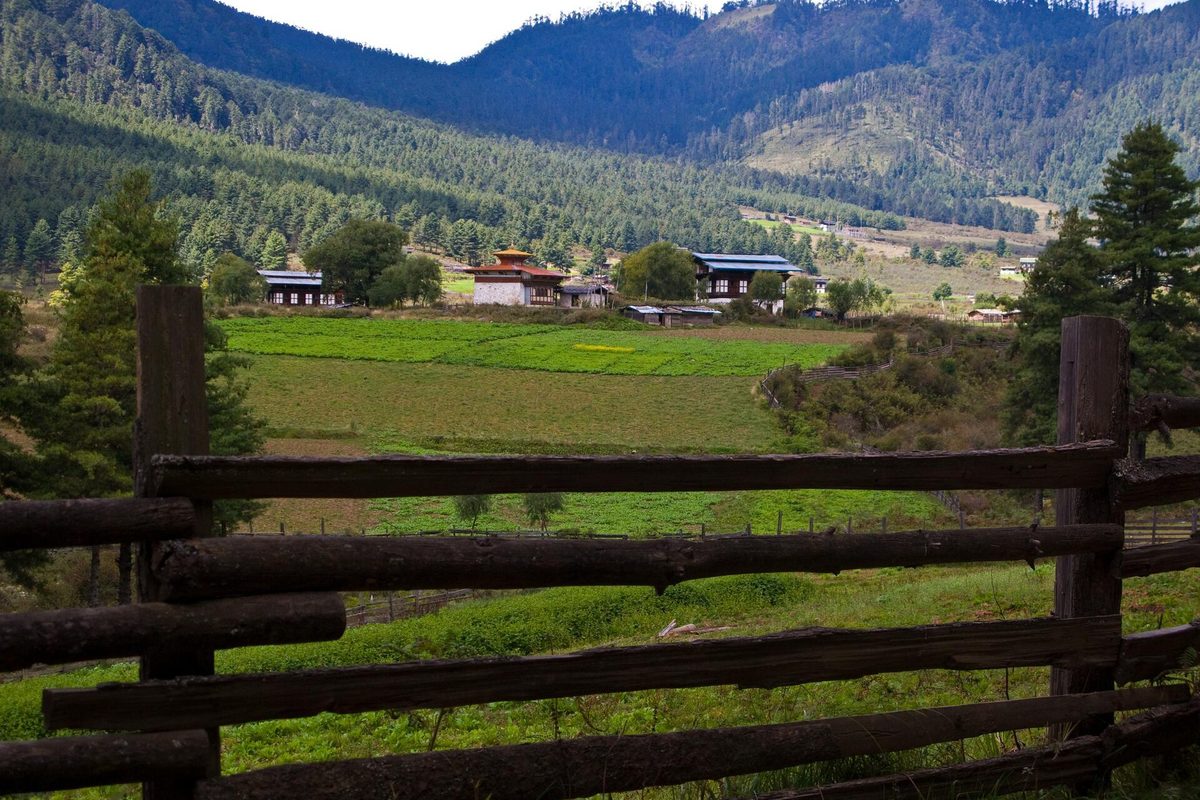
The glacial Phobjikha valley, where black-necked cranes winter from late October, and Bumthang's ancient temples. For a second visit, or a longer first one.
One of the more memorable landings in aviation. Rinpung Dzong and the National Museum in the afternoon; an early night to start acclimatising.
Chele La Pass in the morning if the weather is clear, then the hour's drive to Thimphu. Buddha Dordenma at sunset.
Tashichho Dzong, the Folk Heritage Museum, the takin preserve, the weekend market if the days line up, and an archery ground in the afternoon.
The 108 chortens with the Himalaya behind them on a clear morning, then down to Punakha Dzong and the Punakha suspension bridge.
Back to Paro and the Taktsang climb — start by 8am. A hot stone bath in the evening is the correct decision.
Morning flight out of Paro, or the road down to Phuentsholing if you are crossing overland.
 5N / 6D
Paro Valley Heritage Lodge
Ngultrum (BTN), pegged one-to-one with the Rupee. Indian notes are accepted in most places — carry ₹100 and ₹500 denominations, and expect cash to be needed outside hotels.
Drukair and Bhutan Airlines fly Delhi–Paro non-stop, with connections from Kolkata, Guwahati and Bagdogra. The overland route via Phuentsholing works too and costs less, but adds two days.
Bhutan requires a licensed guide and vehicle for most sightseeing. This is included in every package we build — it is not an upsell.
Paro sits around 2,200m and Thimphu 2,300m. Take day one slowly, drink more water than you think you need, and do Tiger's Nest later in the trip rather than on arrival.
Four to five hours return on a steady uphill. Horses go as far as the cafeteria, not to the monastery. Trainers are fine; walking poles help on the descent.
Cover shoulders and knees in dzongs and temples, remove shoes and hats indoors, and ask before photographing people or altars.
Send us your dates and we will come back with the permit paperwork, the SDF shown separately, and an itinerary paced for the altitude.
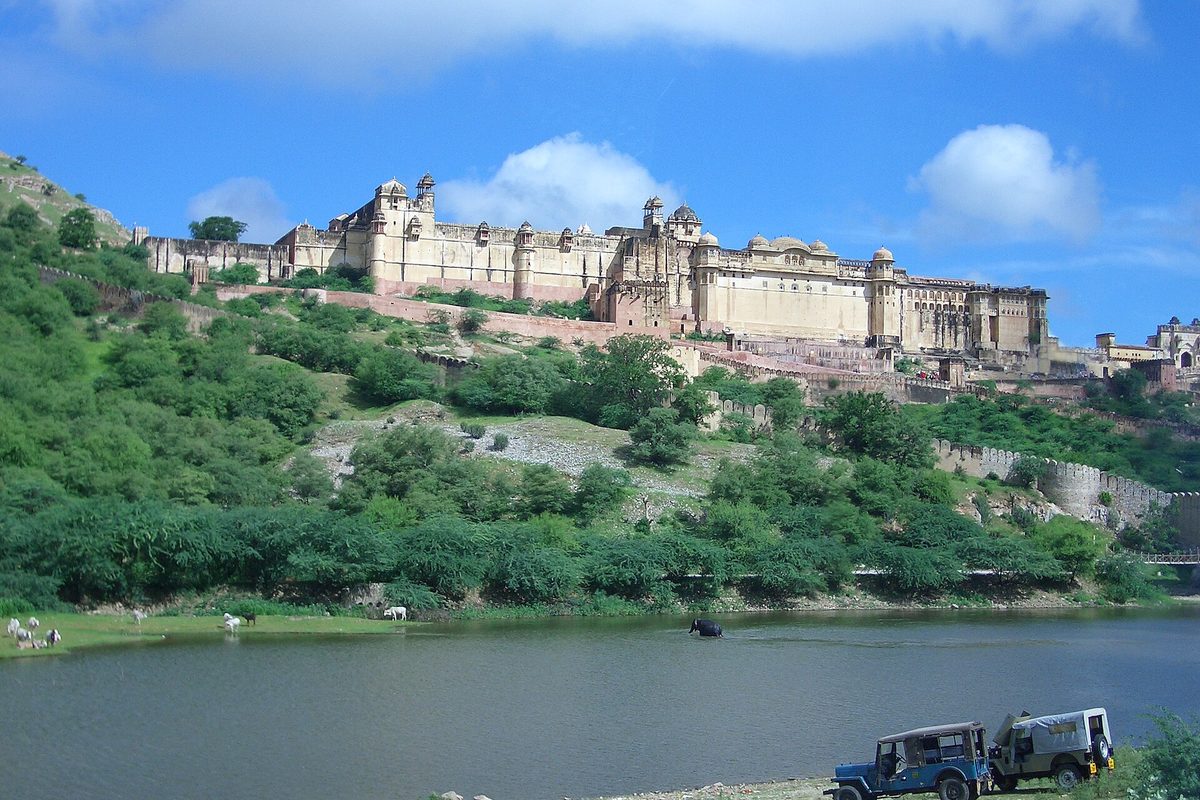
Mughal monuments, Himalayan hill towns and holy rivers, most of them a train ride or a short drive from Delhi.

Island-hopping through limestone lagoons — and one of the few places left in Asia where the postcard actually undersells it.

The country that runs on time — sakura in spring, koyo in autumn, and a train network that makes a ten-day trip feel effortless.

Six centuries of palaces and the most switched-on street culture in Asia, an hour's flight from a volcanic island.
Hi, I'm FlyBot
Ask me anything about your trip — flights, hotels, cabs, holiday packages, or just where to go and when. How can I help? ✈️
