
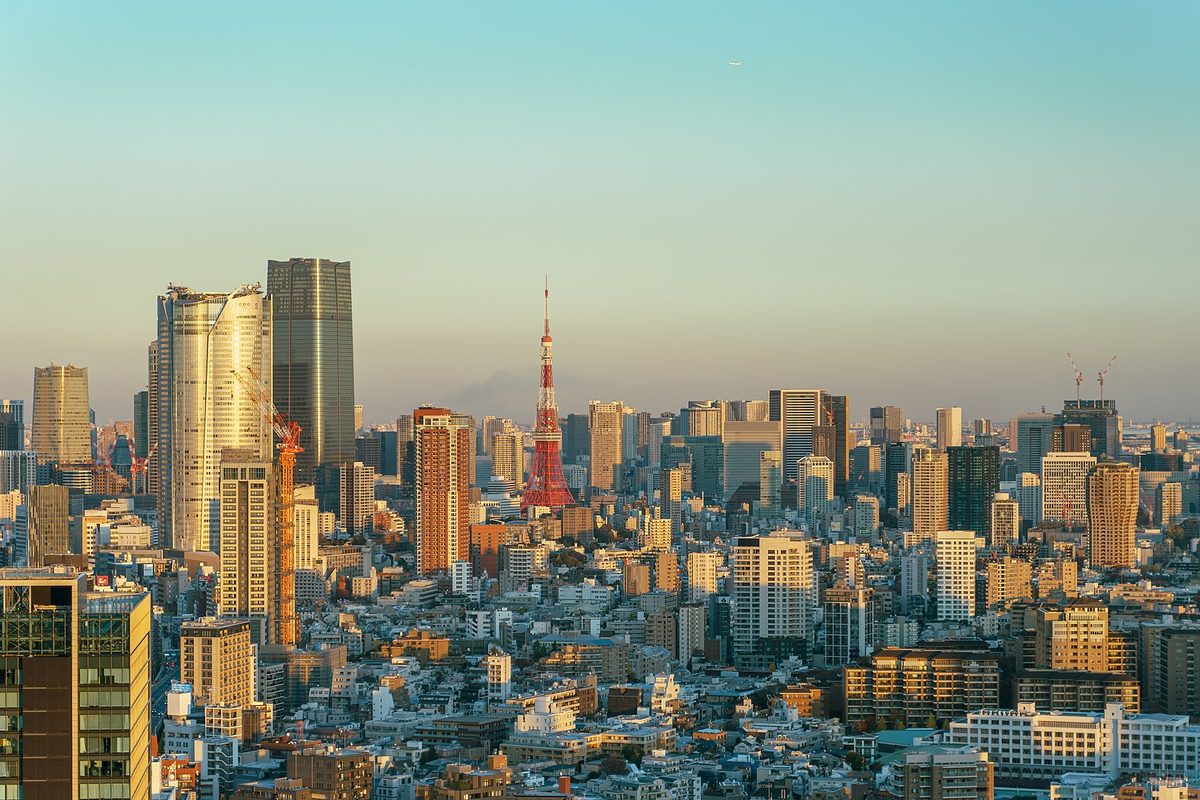
Tokyo
Senso-ji and Asakusa, Shibuya crossing, teamLab, Shinjuku at night, day trips to Nikko or Kamakura. Three to four nights.
The country that runs on time — sakura in spring, koyo in autumn, and a train network that makes a ten-day trip feel effortless.
Japan rewards planning more than almost anywhere else. Get the dates right and you are standing under cherry blossom in Ueno Park or maple in Arashiyama; get them wrong and you are looking at bare branches in the same spot. The good news is that everything else — trains, hotels, signage, safety — works so well that once the calendar is settled the trip more or less runs itself.
A first visit almost always means the Golden Route: Tokyo, Hakone or Mount Fuji, Kyoto, Nara and Osaka. Eight to ten days does it without rushing. Return visitors go north to Hokkaido for snow, south to Hiroshima and Miyajima, or into the Japanese Alps for Takayama and Shirakawa-go.
Senso-ji and Asakusa, Shibuya crossing, teamLab, Shinjuku at night, day trips to Nikko or Kamakura. Three to four nights.

Fushimi Inari's torii gates at dawn, Kinkaku-ji, the Arashiyama bamboo grove, Gion in the evening — and Nara's deer park an hour away. Three nights.

A ryokan night, an onsen, the Hakone ropeway over Owakudani, and Fuji from Lake Ashi if the weather cooperates. One or two nights.

Dotonbori and Kuromon market, Osaka Castle, and the easiest base for Universal Studios or a Himeji day trip. One to two nights, often the exit city.
Land at Narita or Haneda. Asakusa and Senso-ji, Shibuya and Harajuku, teamLab, a day for Nikko or Kamakura, an evening in Shinjuku.
Romancecar out of Shinjuku, the ropeway and pirate ship loop, a ryokan with a private onsen and a kaiseki dinner.
Shinkansen to Kyoto. Fushimi Inari early, Kinkaku-ji and Ryoan-ji, Arashiyama bamboo and the monkey park, Gion at dusk. One day held for Nara.
Todai-ji and the deer park, or a longer run to Hiroshima and Miyajima's floating torii if the pass covers it.
Osaka Castle, Kuromon Ichiba for lunch, Dotonbori after dark. Universal Studios instead if you are travelling with teenagers.
Fly out of Kansai or take the Shinkansen back to Tokyo for a Haneda departure.
 7N / 8D
Shinjuku Sky Hotel
6N / 7DGion Machiya Ryokan
Japanese Yen (JPY). Cards are widely accepted in cities, but shrines, small restaurants and rural stops still want cash. 7-Eleven ATMs take Indian cards reliably.
Worth it only on the right route — a Tokyo–Kyoto–Osaka trip with a Hiroshima leg usually justifies a 7-day pass, a Tokyo-only trip never does. We run the maths for your actual itinerary instead of selling it by default.
Suica or Pasmo for local trains, buses and convenience stores. Load it once on arrival and stop thinking about tickets.
Use takuhaibin forwarding between cities — your bag meets you at the next hotel. Shinkansen luggage space is limited and oversized bags need a reservation.
Vegetarian and Jain travellers need planning: dashi (fish stock) is in almost everything. We book restaurants that cater properly and flag Indian options in each city.
Pocket Wi-Fi or an eSIM. Free public Wi-Fi is patchy outside stations.
Blossom, autumn or snow — tell us when you can travel and we will tell you honestly what you will see, then price the trip around it.

Six centuries of palaces and the most switched-on street culture in Asia, an hour's flight from a volcanic island.

Island-hopping through limestone lagoons — and one of the few places left in Asia where the postcard actually undersells it.
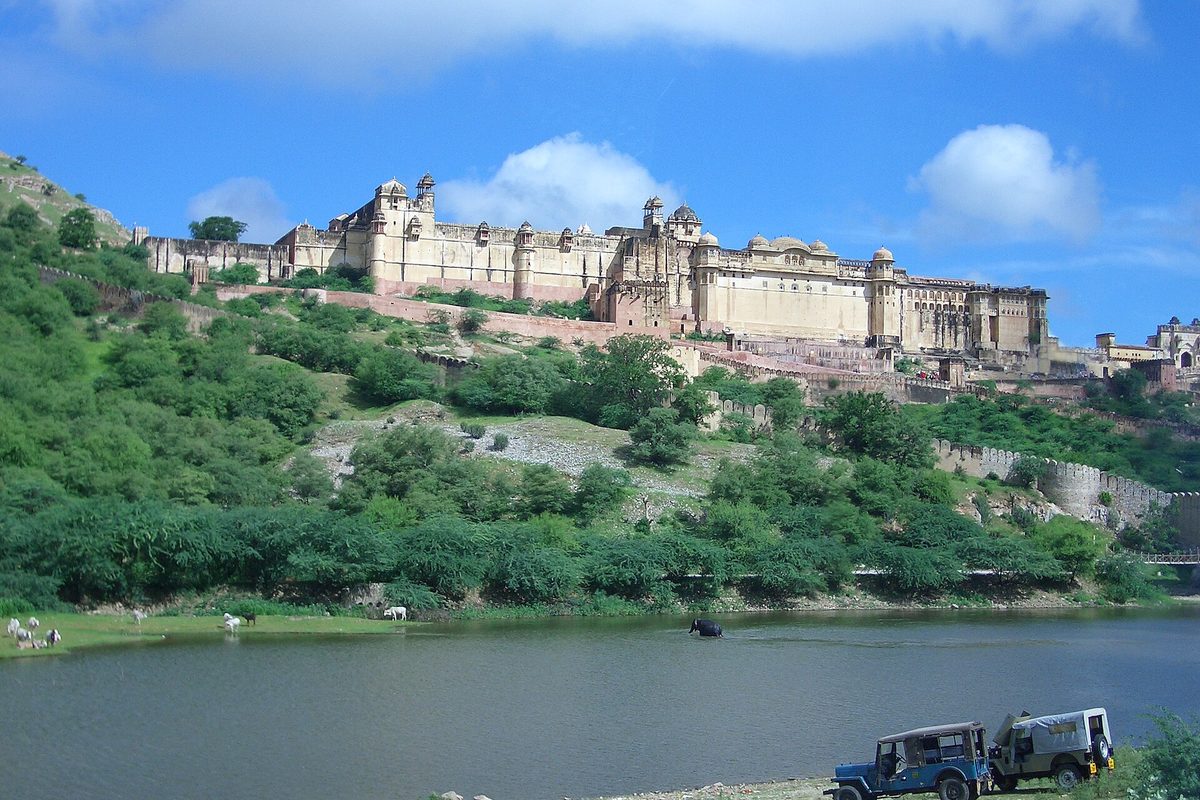
Mughal monuments, Himalayan hill towns and holy rivers, most of them a train ride or a short drive from Delhi.

The world's only carbon-negative country — monasteries on cliff faces, empty mountain roads and no visa queue for Indian travellers.
Hi, I'm FlyBot
Ask me anything about your trip — flights, hotels, cabs, holiday packages, or just where to go and when. How can I help? ✈️
